


Water Leaks Under Control: A Small Sensor Can Prevent Big Damage
A water leak rarely starts dramatically. It is usually a few drops behind a cabinet or a cracked hose over the weekend, unseen until the water soaks into the floor and the ceiling below.
That is why water damage is so frustrating. What matters is not only how much water escapes, but how long it flows before anyone notices. One hour is a nuisance; a whole weekend or night can mean damaged stock, floors, switchboards and a halted operation.
The good news is that prevention is cheap: a small sensor in the right place raises the alarm the moment water appears on the floor. It is a natural extension of what to monitor in a building before users notice a problem, and just like finding hidden energy use outside working hours, the point is to know early.
Why an early alert matters more than the repair
Fixing a failed joint is usually quick and inexpensive. The costly part is what the water does before the fix: a soaked floor, mould in the plaster, ruined stock or flooded wiring can take weeks to put right.
So the deciding factor is the time between the start of the leak and the response. In rooms nobody visits daily, that time can be very long without a sensor. A sensor shortens it to minutes: the alert reaches someone who can act, and with a shut-off valve installed, the water supply can even close automatically.
Where leaks most often start
| Location | Typical cause | Why it is found late |
|---|---|---|
| Plant room, boiler room | Leaking joint, relief valve, expansion vessel | Nobody goes there every day |
| Kitchenettes and washrooms | Cracked hose, blocked drain, tap left running | Water often flows after hours or at weekends |
| Air conditioning and cooling | Blocked condensate drain, overflowing tray | Water seeps into the ceiling void |
| Warehouse | Roof outlet, condensation, seepage at a wall | Goods on pallets are hit before a puddle is visible |
| Server room and switchboards | Water from above or from an adjacent room | The damage shows up as an equipment outage |
| Showroom and retail unit | Damaged pipe in a floor or ceiling | Found only when stock or flooring is soaked |
Rule of thumb: Put a sensor where water can start and nobody can see it: under the sink, next to the water heater, at the condensate drain, on the plant room floor and by the main water inlet.
How such a system works
The leak sensor
The simplest sensor is a small flat probe placed on the floor. As soon as it touches water, it sends a signal. Depending on the environment, cable sensors are also used to watch a longer run, for example along a wall or beneath a pipe. Most are wireless and battery-powered, so they can be added to an existing building without demolition.
The alert
The signal immediately becomes a notification: a message, an e-mail or an entry in a dashboard. What matters is that it reaches the person who should act and shows exactly where the water is. An alert saying only “water leak” is worth half as much.
Automatic water shut-off
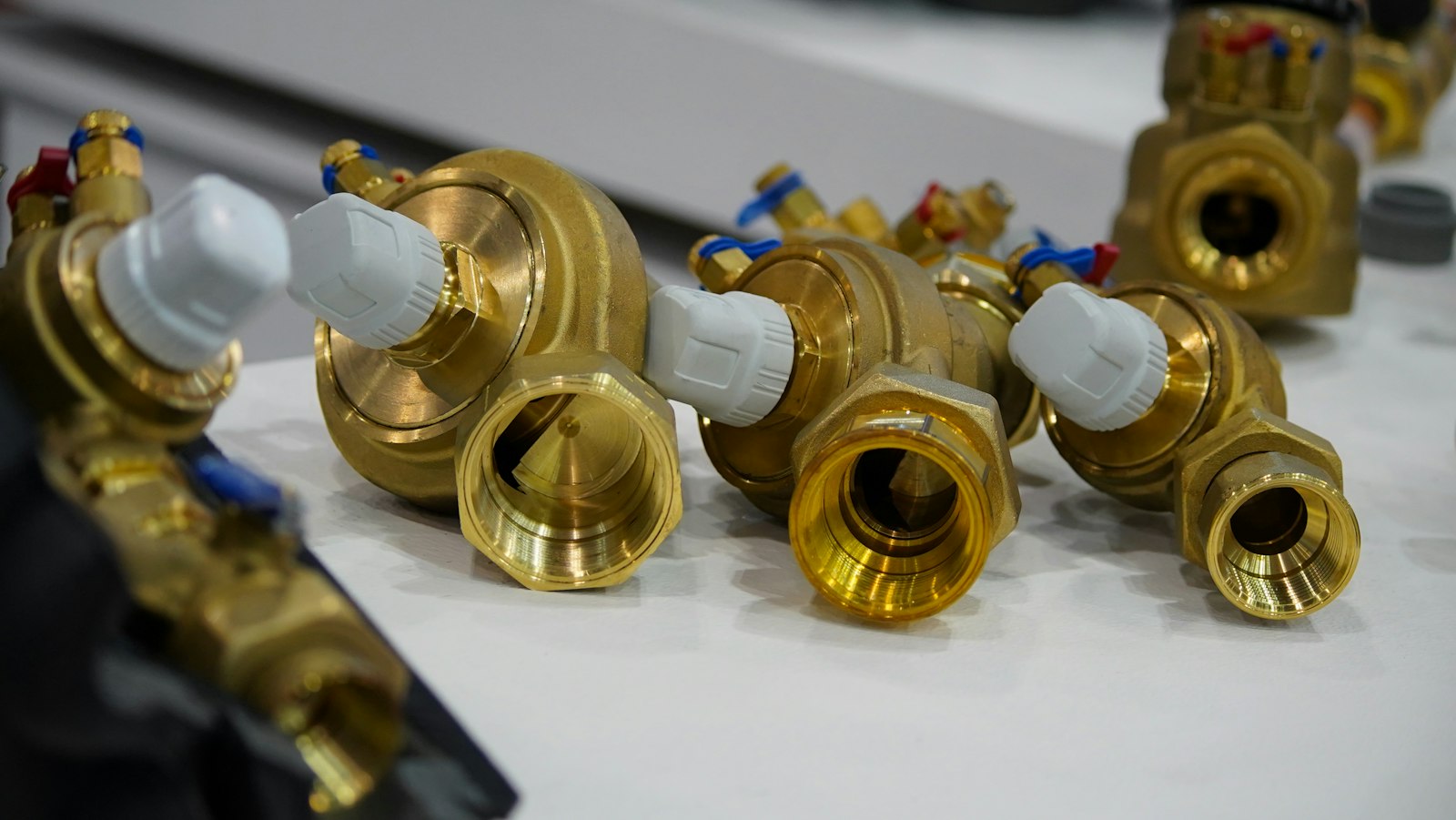
In high-risk places, sensors are linked to a motorised shut-off valve on the water supply. When a leak is detected, the supply closes without anyone having to act. This is useful where nobody is present at weekends or overnight. Whether a valve is suitable depends on the building: some operations must keep water available (for example cooling or fire-protection lines), so each case is assessed individually.
Flow monitoring as a second line of defence
A floor sensor only catches a leak after water has escaped. Flow monitoring works differently: it reveals that water is flowing when it should not be, for example at night, which is often the first sign of a hidden leak. The two methods complement each other.
How to start without a large investment
- Walk through the building and mark the risk points. Plant room, kitchenettes, air conditioning, warehouse, server room.
- Begin where the potential damage is greatest. There is no need to cover everything at once.
- Decide who receives the alert and what they do, including at weekends and on public holidays.
- Choose where automatic shut-off makes sense. Usually on the main inlet or on a branch with a risky operation.
- Test it. Wet a sensor once and confirm the alert reaches the right person.
- Check batteries and connectivity regularly. A sensor that does not report is worse than none, because it creates false confidence.
Caution: Do not neglect maintenance. A missing signal or a flat battery should trigger an alert just like a leak itself.
Examples from different types of property
Office. Sensors in kitchenettes, by printers with a water connection and at air-conditioning units. Alerts reach the building administrator at weekends too.
Warehouse. Sensors at roof outlets, along walls and wherever sensitive stock is stored. Condensation is monitored as well.
Retail unit and showroom. Sensors in the stockroom, back-of-house areas and near equipment. Damage to fixtures stops before customers ever see it.
Studio and workshop. Monitoring of sinks, water heaters and drains in spaces that are closed after hours.
Checklist: what to have in place for water monitoring
- List of risk points – plant room, kitchenettes, air conditioning, warehouse, server room.
- Sensors on the floor or at the source – where water starts and nobody can see it.
- Alerts that name the location – the recipient knows where to go.
- A responsible person, weekends included – someone who receives the alert and acts.
- Shut-off valve where it makes sense – on the main inlet or on a risky branch.
- Flow monitoring – reveals a hidden leak even at night.
- Battery and connection monitoring – a silent sensor is also an alert.
- Regular testing – confirmation that the whole chain works.
- Equipment register – you know where each sensor is.
FAQ
Is automatic water shut-off required?
No. Sensors with alerts are enough to begin with. Automatic shut-off makes sense where nobody is present for long periods or where the damage would be large. It always depends on the specific operation.
Can sensors be added to an existing building?
Usually yes. Battery-powered wireless sensors can be placed without demolition. A shut-off valve requires work on the water supply, which a qualified specialist carries out.
How often do batteries need changing?
It depends on the sensor type and environment. More important than a fixed interval is watching battery status in a dashboard, so an alert arrives before the sensor goes quiet.
What if a sensor raises a false alarm?
It happens, for example during cleaning or because of condensation. Good configuration distinguishes brief dampness from a lasting leak and sends alerts by severity so people are not flooded with noise.
Does a sensor replace regular inspection of pipework?
No, it complements it. A periodic inspection finds wear, while a sensor watches the time between inspections.
From sensor to real action
A sensor on its own only reports. The real value appears when its signal reaches whoever should handle it. Leak data is therefore collected in one place together with the other building measurements and is available in the INTECHI client zone. The alert, including the location, goes to the responsible person and can be turned into a service request in INTECHI Digital Management in a single step. Devices are registered, so a technician knows where they are going and what to expect. The system can grow gradually: start with the riskiest rooms and add further spaces or flow monitoring later. You can read more about the technology on the smart technologies page on intechi.cz.
How INTECHI approaches it
INTECHI TECHNOLOGY designs water-leak monitoring as part of a complete overview of the building: sensors, alerts, any supply shut-off and the follow-up service request all live in one place, in one client zone. We use the same technology as INTECHI on intechi.cz. If you would like to know where it makes sense to start in your property, get in touch.