


Solar, Battery and Building Consumption: Why Manage Them Together
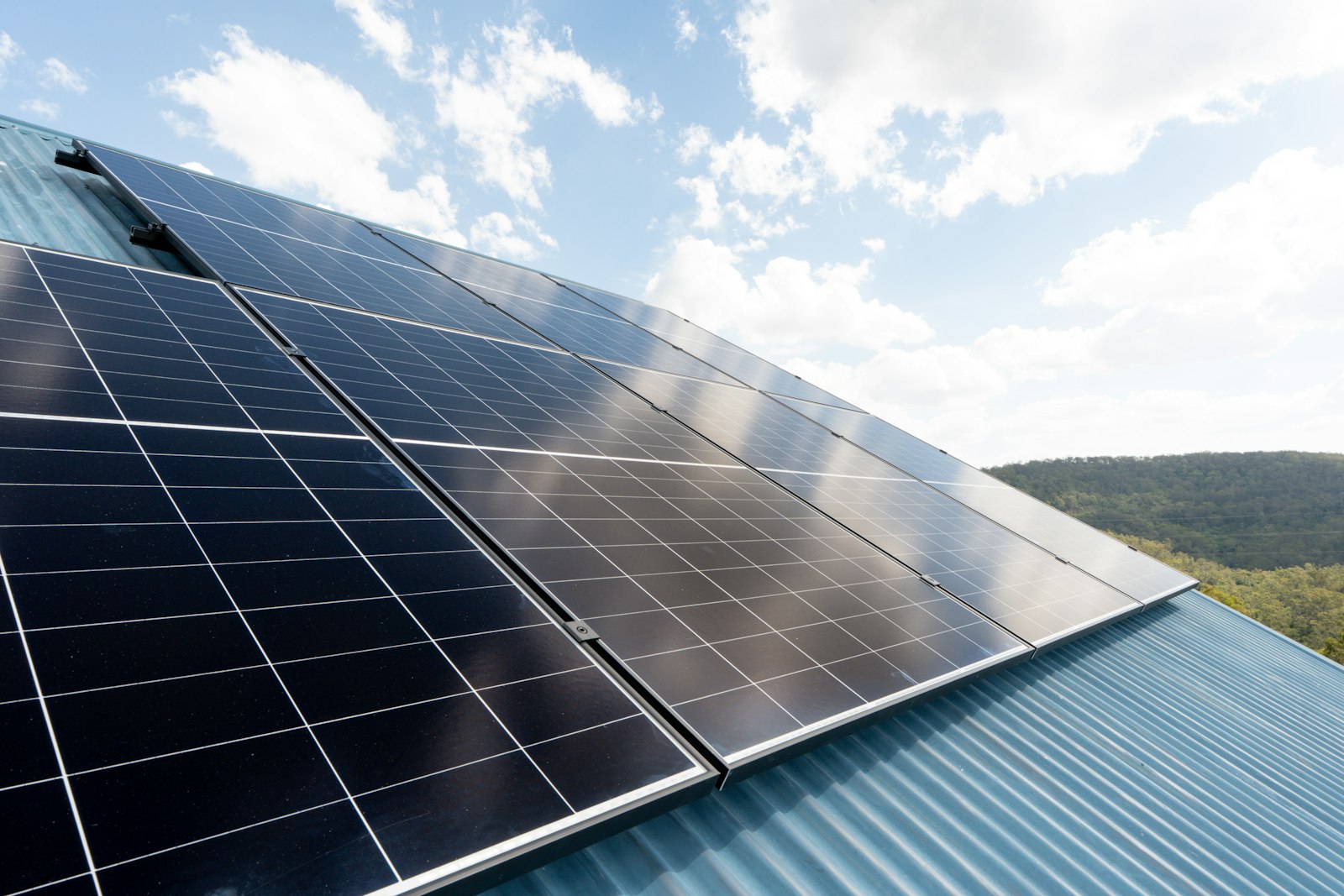
A solar plant, a battery and a building’s consumption are often handled separately. The real benefit appears when they start working as one system.
The plant produces when the sun shines, the building consumes according to its operation, and the battery in the middle decides where the energy goes. If nothing coordinates them, the outcome often differs from what was expected: at noon the surplus flows to the grid, in the evening energy is bought back at a higher price, and the battery is full just when you need it least.
Managing them is not magic. The system simply needs to know three things: how much is being produced, how much the building is using, and what is in the battery. Only then can it decide sensibly. This builds on our article about monitoring a solar plant and the topic of hidden energy use outside working hours.
Why the individual parts are not enough
The inverter knows production, the battery knows its own state, and the meter knows the draw. None of them sees the full picture. The inverter does not know the air conditioning will start in an hour, the battery does not know the building will be empty at the weekend, and an ordinary meter does not know what is being wasted.
When the data meets in one place, the connections become visible: the biggest load arrives after sunset, or exports happen regularly when the premises are closed. Separate numbers turn into the story of the building.
What happens under joint control
In simple terms, energy in a building follows a priority order:
- Direct use first. Energy goes where it is needed right now, with no storage losses.
- Then the battery. The surplus is stored and used later, typically in the evening or early morning.
- Grid last. What is neither used nor stored flows to the grid, or production is curtailed.
Add control of flexible loads, such as water heating, equipment charging or pre-cooling, and part of the demand can shift to the hours when the plant produces. What is possible always depends on what the building can do and how it is used.
| System part | What it brings | What to watch |
|---|---|---|
| Solar plant | Energy source while the sun shines | Production drop, inverter faults, shading |
| Battery | Shifts energy from midday to evening | State of charge, charge and discharge timing, capacity use |
| Building load | Demand following operations | Peaks, hidden load outside operation, flexible loads |
| Grid connection | Import and export | Export, distributor limits, metering outages |
Rule of thumb: The cheapest energy is the energy the building uses the moment it is produced. A battery is a useful addition, not a replacement for sensible operation.
When a battery makes sense and when it does not
A battery helps most where production and consumption are out of step: a shop closed in the afternoon, an office with evening peaks, or a site with heavy morning demand. For a building that uses most of its production straight away, the benefit may be smaller.
Two reminders. First, size a battery from the site’s real consumption, not from generic figures in advertising. Second, a battery by itself does not provide backup power during a grid outage. That needs a solution designed for island operation. Claims about how much a battery raises self-consumption vary widely between sources, so treat them as indicative only.
Grid export and distributor rules
Export is where engineering meets regulation. Conditions can differ by distributor and by how the connection point is contracted. In some cases the goal is to limit or eliminate export, elsewhere the reserved capacity and possible penalties need attention.
It is wise to learn the conditions before changing the system. On the technical side, export control depends on correct measurement at the connection point. A wrongly installed or wrongly oriented measuring element can make regulation fail even though the equipment is healthy. That is why the system should be tested after commissioning in different situations: low consumption, a full battery and a metering outage.
Examples from different types of premises
Retail unit. Consumption matches opening hours. A joint view shows whether midday production really covers demand or partly flows to the grid.
Office. Load changes with occupancy. Control can shift part of the cooling or heating into production hours.
Warehouse. A large roof and steady demand, such as refrigeration or equipment charging. What matters is how production is split between load, battery and grid.
Studio or showroom. Lower consumption but a clear gap between day and evening. A battery may help shift energy, if the data confirms it.
How to start
- Measure first. A few weeks of production and consumption data show how the building really behaves.
- Find hidden load. The cheapest saving is switching off what runs for no reason.
- Assess export. How much energy leaves and at what times.
- Only then consider the battery. Size it from data, not guesses.
- Add control of flexible loads. Step by step, where it brings the most.
- Review regularly. The building changes and the system should follow.
Checklist: what to keep covered under joint control
- Plant production – profile over time and comparison with expectations.
- Building consumption – including load outside operating hours.
- Battery state and behaviour – when it charges, when it discharges and how well it is used.
- Grid export – when it occurs and whether it complies with the conditions.
- Correct measurement at the connection point – verified after commissioning.
- Flexible loads – you know which can be shifted.
- Alerts on deviations – someone is responsible for them.
- Backup power – you know whether it is needed and whether the system really provides it.
FAQ
Does a solar plant always need a battery?
No. Many buildings use most of their production directly. A battery makes sense where production and consumption are out of step, and it is best decided from measured data.
Will a battery keep the building running during a grid outage?
Not by itself. Backup power needs a solution designed for island operation, so check what the specific equipment can do.
How do I know I have unnecessary export?
In a joint view of production and consumption. If production regularly exceeds consumption at the same time, for example at weekends, that is a signal to act.
Can control be added to an existing plant?
Often yes, depending on the inverter and metering. The options should be assessed for the specific equipment.
Does joint control promise a higher return?
No. It helps use the energy produced purposefully and shows where it is wasted. The real benefit depends on the site, its operation and the conditions.
From sensor to real action
Control starts with visibility. Production, battery and consumption come together in one place and are available in the INTECHI client zone. When something deviates, for example the battery stops charging or unusual export appears, the alert goes to whoever should handle it, and in one step it becomes a service request in INTECHI Digital Management. Equipment is registered, so the technician knows what they are coming to. The solution can grow gradually, from a simple overview to control of loads. More about the technology is on the Smart technologies page at intechi.cz.
How INTECHI approaches it
INTECHI TECHNOLOGY knows solar PV and connects it to building monitoring: production, battery, consumption and alerts in one place, in one client zone. We use the same technology as INTECHI at intechi.cz. If you want energy in your building under control, get in touch.